FRAME
One challenge. Several organisations.
Frame helps organisations that need each other make visible what success means for each of them, where interests meet and which choices are needed to move forward together.
30 minutes · free · no obligation
Who it's for
People responsible for a challenge that can only be realised together with other organisations.
When
At the start, recalibration or expansion of a collaboration. Or when joint decisions keep stalling.
What you build
A shared basis for decisions: what you want to achieve together, which interests and conditions matter, what each partner contributes and which decisions are still needed within the individual organisations.
Choosing together when nobody can direct the others.
Every party looks at the same challenge from within their own organisation. As a result, a shared ambition can mean something different as soon as it comes to capacity, pace, risk or responsibility. Nobody can realise the challenge alone. But nobody can simply direct the other parties either. Frame makes visible where interests reinforce each other, where conditions differ and where a joint choice is needed.
This is what it looks like for you:
A new alliance begins
you want expectations and contributions clear before the collaboration gets going
The intention must move to execution
the agreement is in place; now it must become concrete what each partner will actually contribute
The collaboration needs recalibrating
interests or circumstances have changed. Does the joint course still fit?
A new partner joins
a different perspective comes in. Which assumptions and agreements need to be put back on the table?
Joint decisions keep stalling
every party must align internally, while the collaboration needs to move forward
When expectations stay implicit, agreements are interpreted differently, contributions remain uncertain and decisions slip.
Frame brings those differences to the table before you make new commitments.
This is what you hear at the table:
- “We committed to something different internally.”
- “For us this is a condition. For you, apparently, a preference.”
- “At the table we agree, but every partner still has to sort it out at home.”
- “Who can actually commit on behalf of which organisation?”


The method
Look first. Then make sense. Then choose.
You work on one real shared challenge. Every partner makes visible what success means, what is at stake and what is needed in order to take part.
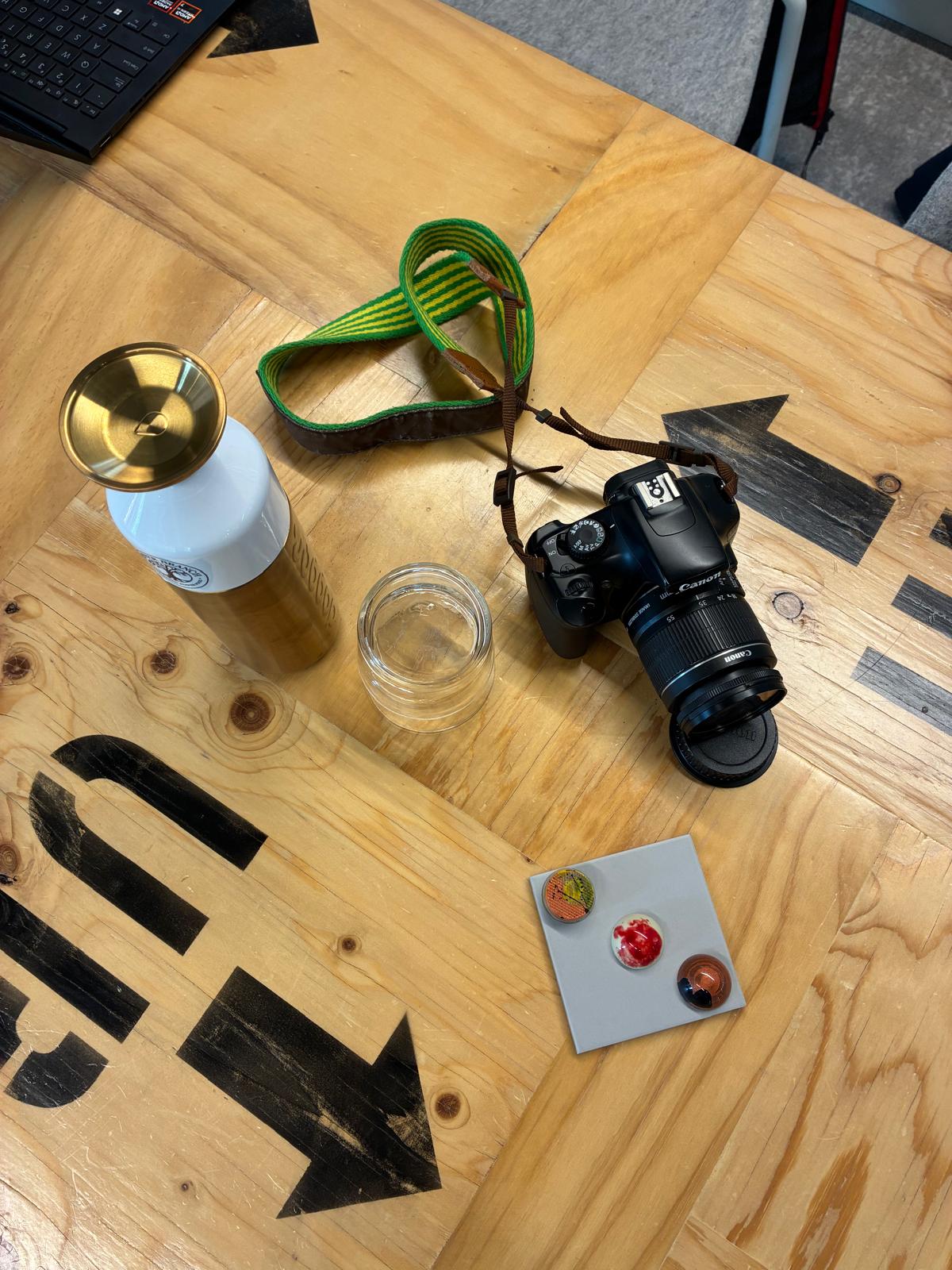
The images are laid side by side. That makes clear where perspectives coincide, where they differ and which differences call for a choice.
1
Explore
What does each partner want to achieve? What is at stake and which conditions count?
2
Connect
Where do interests reinforce each other? Where do they rub, and what does that mean for the shared challenge?
3
Choose
What do you commit to? Which contribution does each partner make, and what still needs an internal decision?
4
Tell
How does each participant explain the joint choices to their own organisation or constituency?
Picture First was developed and proven inside a large international organisation. Frame applies that way of working to challenges in which independent parties must move forward together.
WHAT YOU TAKE AWAY
The main result is a shared basis on which partners can decide and act, without their interests or responsibilities having to become the same.
Tangible
Your visual anchor
A selected set of images making visible what you want to achieve together and which interests and conditions belong to it.
Your choices and contributions
What each partner contributes, which dependencies there are and which points still need to go back to their own organisation.
What you also take with you
A way to make differences between organisations visible earlier, weigh them together and bring the choices made back to your own organisation.
During the session we agree who will use the framework, in which meeting it will return and when you will review the agreements.
Not every interest has to become the same. What does become clear is where you meet, which differences will remain and how you will deal with them.
When do you use this?
The visual anchor helps you hold on to the shared meaning once everyone is working from within their own organisation again.
In the partner or alliance meeting.
A new proposal is on the table. You test it against the shared ambition and conditions: does this contribute to what we want to achieve together?
Within your own organisation.
A participant has to organise support, capacity or a decision. The framework helps explain why a choice was made and which contribution is needed.
When circumstances change.
A partner gets different priorities, resources fall away or a new opportunity arises. You see which agreements are affected and what must be weighed again.
The framework supports your existing consultation and decision-making. It makes clear what agreements are based on and where a new conversation is needed.
A set-up that fits your collaboration.
For alliances and strategic partners who want to connect their perspectives and arrive at workable choices and contributions.
Frame can connect to a partner day, the start of an alliance, a strategic recalibration or an ongoing collaboration programme.
Tailored set-up · priced on proposal
Frame · The shared foundation
For alliances and strategic partners who want to connect their perspectives and arrive at workable choices and contributions.
Preparation
An intake about the shared challenge, the partners involved and the choices at hand. We discuss who should take part and what mandate is needed.
Format
A joint working session, with one or more tables. The challenge and the number of parties involved determine the set-up and duration.
What you take away
The shared set of images, explicit choices, contributions per partner and open points for further decision-making.
Follow-up
Agreements on how the framework will be used and a suitable moment to look back on it.
A working session with two to four parties, at one or more tables. Priced in consultation, based on preparation, number of participants, facilitation and follow-up.

Who will you do this with?
Twenty-five years in international organisations and twenty years of improvisational theatre. That combination is in how I guide Frame. I have worked with different countries, cultures and business models. From developing strategy to executing plans. I know how an agreement at one table can take on a different meaning somewhere else. Improvisation taught me to listen well, to ask follow-up questions and to build on what people genuinely bring. In Frame that helps to explore even the differences that are hard to fit into a presentation or an agreement. Harm Hendriks
First see whether it fits.
Bring your real situation. In thirty minutes we explore what needs to become clear together, who should be at the table and whether Frame adds anything.
Free · no obligation·harm.hendriks@doorsicht.nl