LOOK BEFORE YOU CHOOSE
Every strategy begins
with a picture.
Leaders don’t execute strategy. They execute the picture they carry of it.
Strategy Days · Change Programmes · Development Tracks
For teams, strategic alliances and leaders

Many perspectives.
One picture where they meet.
GROTE KERK · HAARLEM · BY ARTHUR GEBHARD
WHY THIS WORKS
Everyone uses the same words. And everyone pictures something different.
That is rarely a problem on paper. The plan makes sense. The timeline makes sense. But the movement does not follow.
What happens next is familiar: decisions slow down, collaboration becomes push and pull, and people wait where movement is needed. You just never receive an invoice for it.
In 25 years of strategy, operations and leadership, I have seen the same thing again and again. People already have a picture of what is happening and where things need to go. But that picture is in their heads, and words alone do not get it out. Ask ten people what “more ownership” means and you will get ten answers. All of them reasonable.
That is why I make visible what words alone often fail to surface. Sometimes literally through images, sometimes by putting choices and their consequences next to each other.
I work at the moments when those differences start to cost money:
With teams that have enough ideas and now need to choose one shared direction.
With organisations and their strategic partners that depend on each other, each with their own organisation behind them, and now need to make it work together.
With organisations changing their business model and discovering that processes, organisation and systems do not automatically change with it.
With teams where the direction is changing and people do not yet see how they can best contribute.

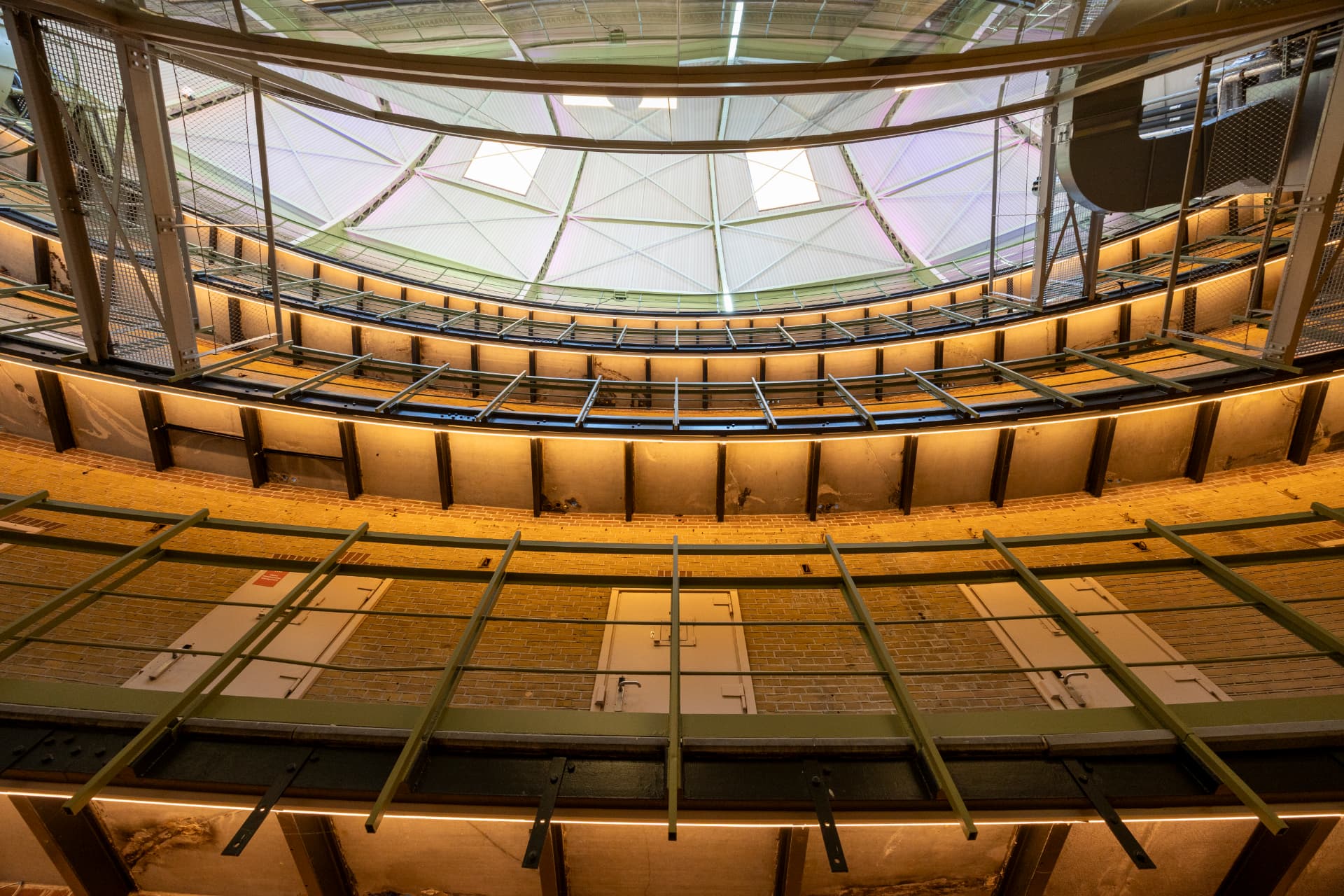
“Through the emotionally evocative and transporting power of visual imagery, you are reminded that change is within their grasp.”
KOEPEL · HAARLEM · BY ARTHUR GEBHARD
Three decision points.
At these moments a choice gets made, even when no one says it out loud.
It doesn’t come out on its own.
Often you’re in two at once. Start with the one that creates the most friction.
We don’t know yet.
Working together is grinding.
We know where we’re going, but not what it asks of us.
We don’t know yet.
There’s no clear direction. Everyone has ideas, but not the same picture. As long as that’s the case, every conversation stalls at ideas.
You get direction.
For example: the new leadership team has been together two months · the annual plan is due in six weeks · the choice between cost and innovation keeps stalling
Working together is grinding.
The direction is on paper and everyone nods. But ask what that direction means and you’ll hear ten versions. As long as that’s the case, very little comes of it.
You move in the same direction.
For example: your strategy day is booked and has to deliver more than last year · the digital strategy has to reach the organisation · the partnership is signed and now has to work
We know where we’re going, but not what it asks of us.
The direction and the plan are set. Now it has to become clear what that asks of each person: where do you come into your own, what contribution do you make, and what do you commit to?
You know what this means for you.
For example: the reorganisation has been announced and your team is waiting · since the merger you lead your former colleagues · your role is changing and you don’t yet know whether you want it
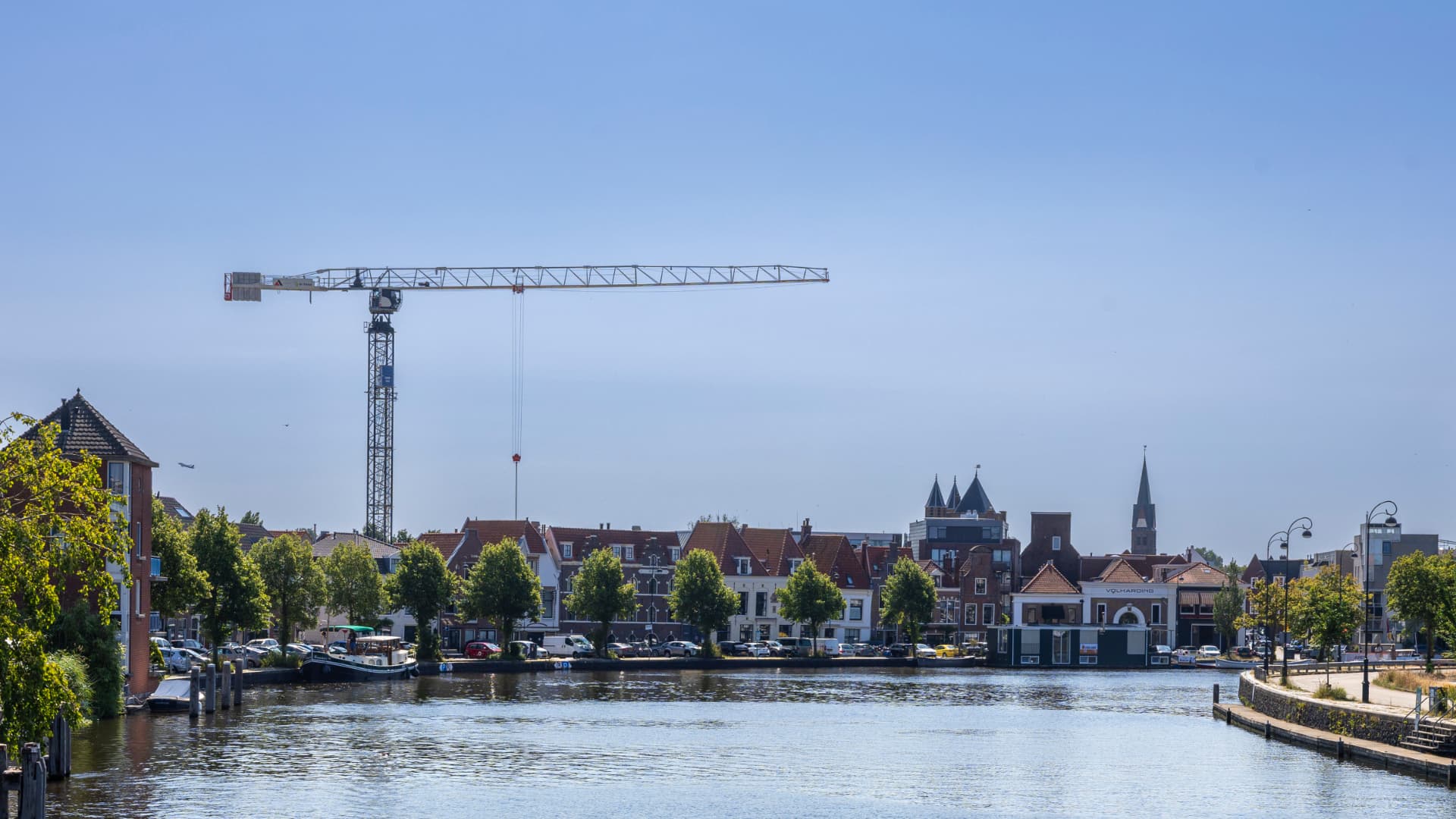
SPAARNE · HAARLEM · BY ARTHUR GEBHARD
“Translating our strategy into outcomes is part of our responsibility as a leadership team. I truly enjoyed seeing this happen right in front of my eyes, in such a pleasant and well-structured setting. That approach really encouraged creativity and engagement in a group that represented different parts of our organisation.”
OFFER
Start with the question in front of you.
WHEN YOU USE IT
Tied to your strategic year plan or a change programme, or as the content of a meeting already scheduled.
WHEN TO CALL
Three to six weeks in advance. That leaves enough time to sharpen the question and design the track properly. Not afterwards, when differences have already landed in decisions or delivery.
Tight on time? Call me. There's usually more room than you think.
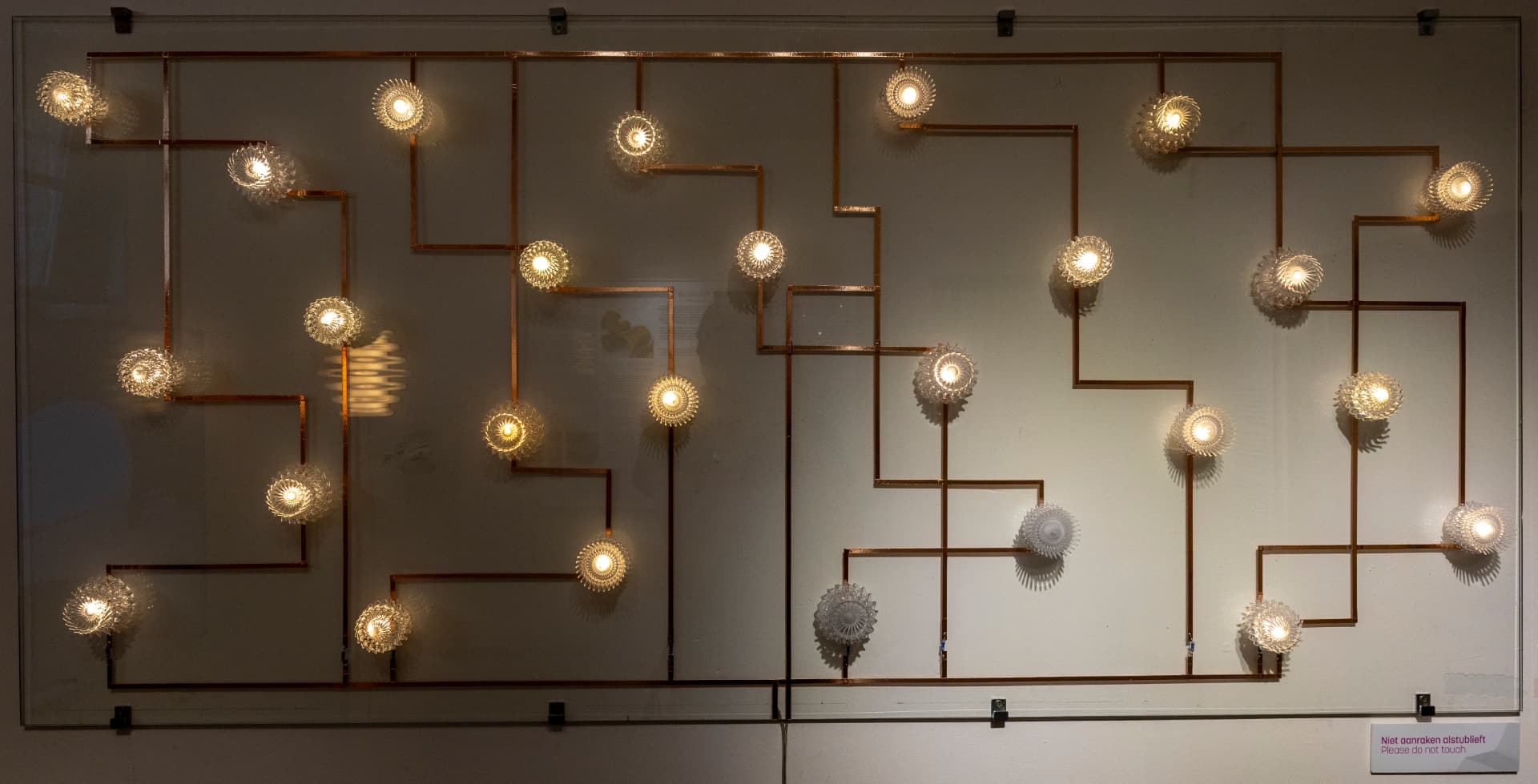
“In the sessions, the patterns became clear visually. Sometimes we need to see things through a different lens, and these pictures helped me with that.”
BY ARTHUR GEBHARD


The Picture First™ method
The picture first. Then the conversation. Then the choice.
1,500+ participants · 80 sessions · thousands of photographs
With a photograph you cannot sustain vagueness. You point to it. You react to it. You lay it next to someone else’s picture. That is how what is going on becomes visible, and where movement becomes possible.
What the method rests on is on paper. Just ask.

Seeing
Make visible what is really going on: where the strength lies, where things are rubbing, and which different perspectives are in the room.
Outcome: a shared view of where the team stands.

Imagining
Clarify where you want to go together, and where perspectives already align or still differ.
Outcome: a visual roadmap of the desired direction.
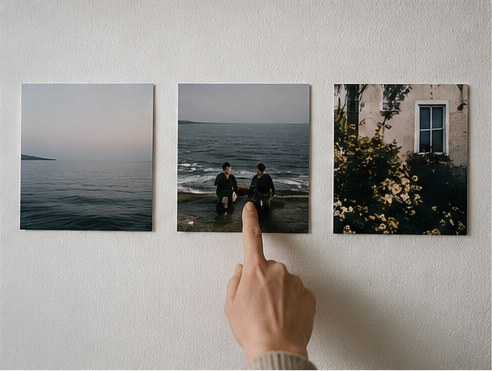
Doing
Translate that direction into what each person contributes to the shared result and what is needed to get there.
Outcome: a visible picture of each person’s contribution to the end result.
Yes, a camera in a strategy session is unusual. That is exactly why it works.
THIS IS WHAT IT LOOKS LIKE IN PRACTICE
Three examples.
A new regional organisation
Landing a strategy with 350 people
A new direction, and your own role in it
A new regional organisation
The questionHow do we set this new organisation up well and as quickly as possible, so the strengths are kept and we stop doing what no longer adds value?
What I didIn a single session, made the expectations, pictures and differences visible.
What it producedA sharper picture of the long term, and clear ownership to get the coming year moving.
Landing a strategy with 350 people
The questionHow do we get that strategy to really land across the whole organisation, in a short space of time?
What I didHad the full leadership team make the strategy concrete, in mixed cohorts of first- and second-line leaders.
What it producedLeaders who could tell the strategy in their own words, brought together in a large Gallery Walk.
A new direction, and your own role in it
The questionWhat does this new organisation mean for me, for my role, and where do I come into my own?
What I didOver a longer engagement, got clearer on what this person sees, values and wants to contribute.
What it producedA next step that became a deliberate choice rather than the path that happened to be there.
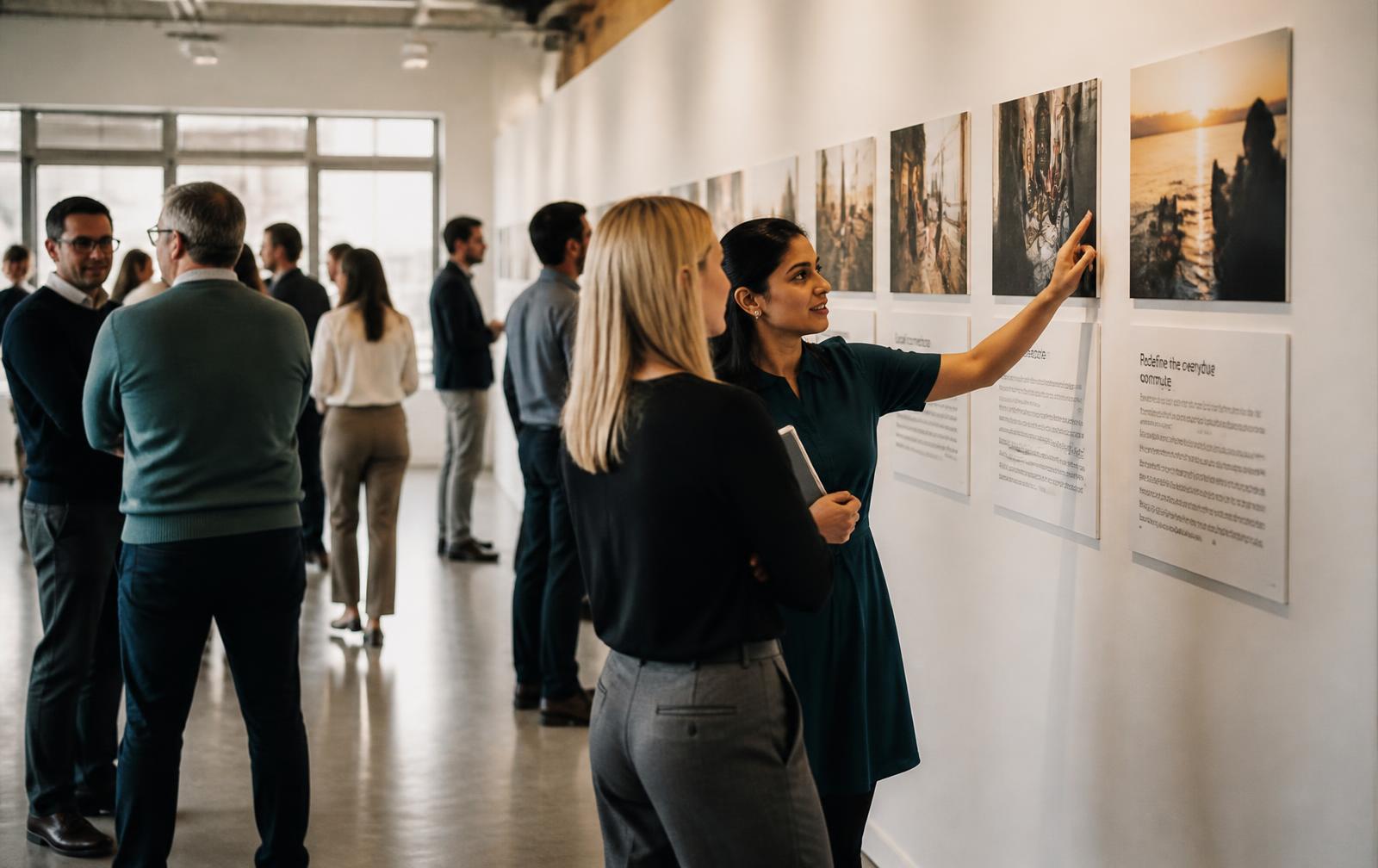
“The gallery walk was amazing. Every team’s images on the wall. Groups of people sharing their thoughts and making the transformation work for us. The room was bustling with energy to make this happen.”
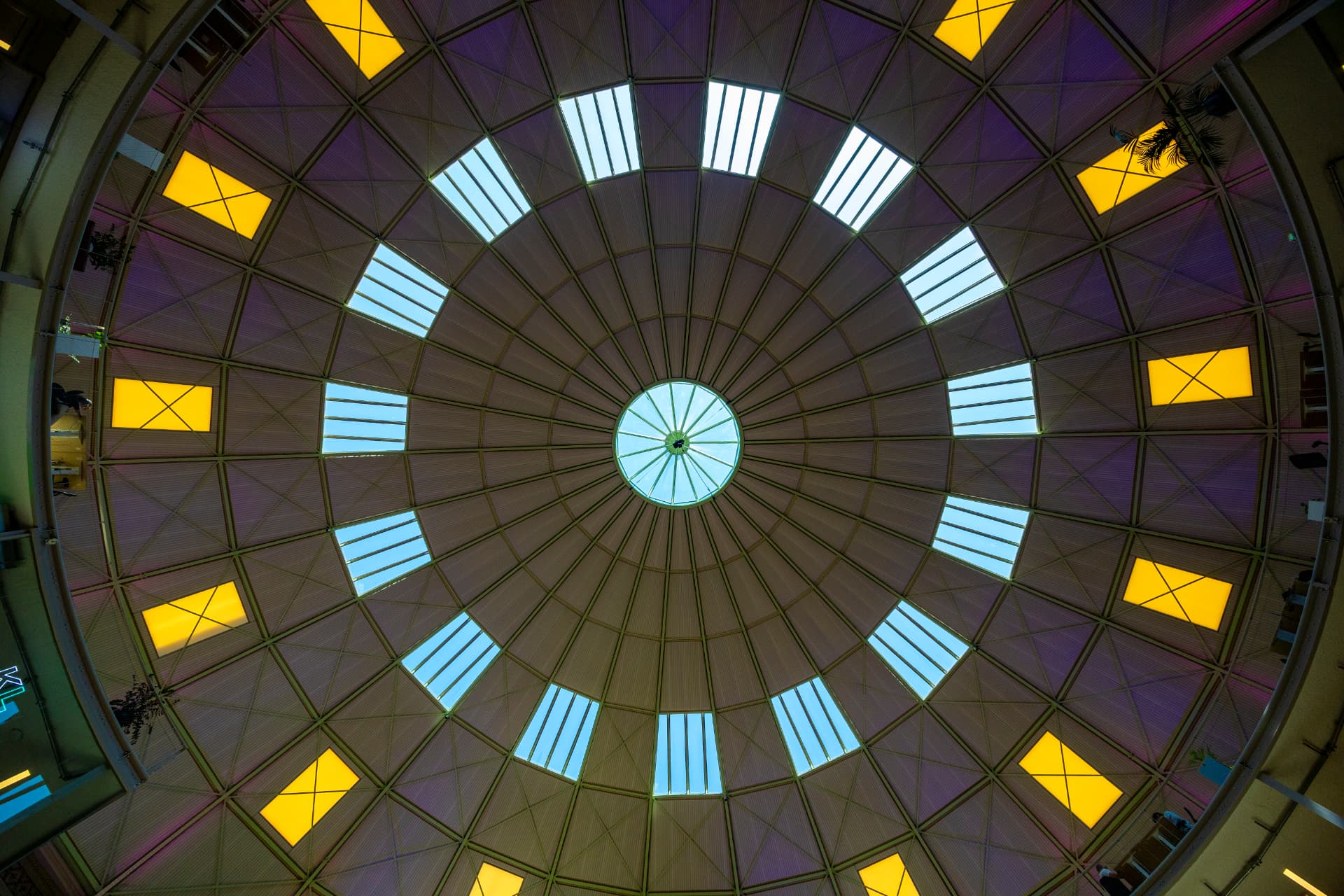
The art of perspective, focusing on one shared point
doorsichtKOEPEL · HAARLEM · BY ARTHUR GEBHARD
ABOUT HARM
Where my way of looking comes from
Where my way of looking comes from
At the kitchen table of a family business, customers, suppliers and staff were never far away. That is how I learned early what a company means from the inside.
That way of looking travelled with me through 25 years of strategy, operations and leadership, across business models, cultural differences and organisations that had to reinvent themselves.
And I kept seeing the same thing: organisations don’t consist only of plans, processes and structures. People give meaning to those themselves. They form a picture of what is happening, what matters and what is expected of them.
That insight has become steadily more central to how I work.
Doorsicht is an old Dutch word for the art of perspective: different lines converging on a single point. People don’t all have to see the same thing; different perspectives are valuable, as long as they become visible and you can work out together where they meet.
That is what Picture First does. Not smoothing differences away, but putting them on the table: seeing what each person sees, discovering where the pictures diverge, and building one picture together you can act on.
doorsicht is the next step.
One call and you'll know.
You bring
one live decision, strategic question or partnership issue.
We look
at where interpretations diverge, stay unspoken, or cause trouble later.
You know
whether this is for you. If it isn't, I'll say so.
No quote, no obligation. Just a conversation.
Rather call directly? +31 6 43072563 · or email harm.hendriks@doorsicht.nl